
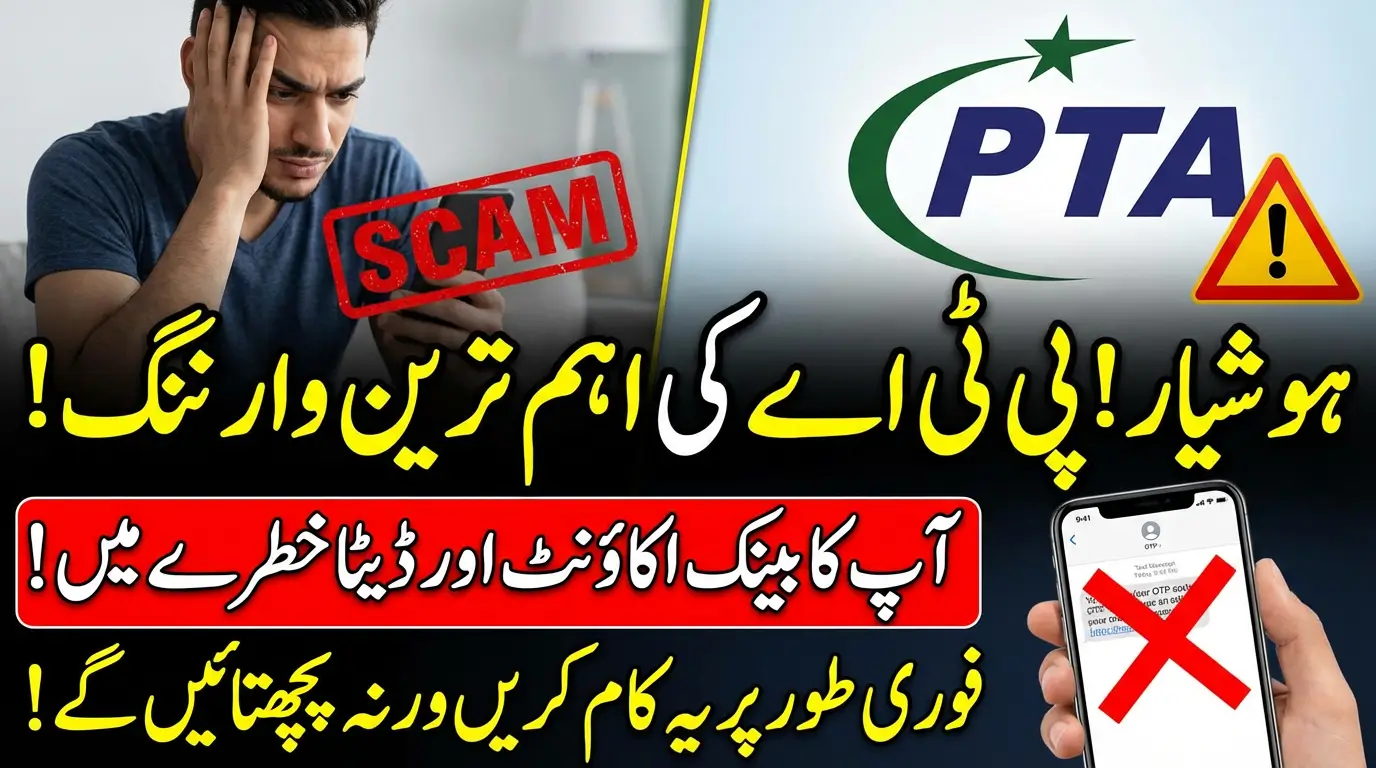
How to avoid fake PTA calls
How to avoid fake PTA calls: The Pakistan Telecommunication Authority (PTA) has issued an important warning to mobile users to remain vigilant against scams and fraudulent activities. Mobile users are being targeted by scammers who impersonate government agencies such as PTA, FIA, and banks to steal personal and financial information. The PTA emphasizes that no official agency will ever ask for OTPs, PINs, CNIC details, or biometrics over a phone call or message.
This warning comes amid a rise in fake calls and UAN scams that have tricked unsuspecting users into sharing sensitive information. By educating mobile users and promoting verification through official channels, PTA aims to reduce fraud and protect citizens from financial and identity theft.
• Scammers are impersonating PTA, FIA, and banks
• Never share OTP, PIN, CNIC, or biometric data
• Verify all calls and messages through official channels
BISP Introduces Free SIM Cards to Ensure Secure 8171 Payment
Why PTA Warns Mobile Users
PTA warns mobile users because fraudulent activities targeting individuals have become increasingly common. Scammers often use fake UAN numbers or phone calls that appear official to manipulate users into providing confidential information. These activities pose serious risks, including financial loss and identity theft.
The authority has clarified that legitimate government or banking institutions will never request sensitive data over a phone call or SMS. Mobile users are advised to stay alert and double-check any unexpected communication. Awareness campaigns on social media and other platforms are part of PTA’s ongoing effort to educate the public.
• Scammers exploit fake UAN numbers and impersonation
• Government agencies do not request OTP or CNIC over calls
• Awareness campaigns educate users about safe practices
United CD 70 2026 Price Update: New Rate Announced Without Mechanic
Common Scams Targeting Mobile Users
Mobile users are frequently targeted through fake calls and UAN scams. Scammers may claim to represent PTA, FIA, or banks and ask for sensitive information such as OTPs, PINs, or CNIC details. Some fraudsters even request biometrics, which are never required by official agencies.
Additionally, PTA has highlighted that using a SIM registered in someone else’s name is a violation of telecommunications regulations. Mobile users must ensure that their SIMs are properly registered to avoid legal issues and potential misuse of their information.
• Fake calls claiming to be from banks or government agencies
• Requests for sensitive data like OTPs and CNIC
• Using a SIM not registered in your name is illegal
How Mobile Users Can Protect Themselves

Mobile users can protect themselves from scams by following a few simple steps. Always verify the identity of the caller before sharing any information, and avoid responding to unknown numbers requesting personal details. Official PTA channels should be used for all verification purposes.
Keeping your SIM registered under your own name is crucial. If a SIM is found to be registered in someone else’s name, it could lead to regulatory violations. Staying vigilant and cautious helps prevent both financial loss and identity theft.
• Verify calls and messages through official channels
• Never share OTP, PIN, or CNIC details
• Ensure your SIM is registered in your own name
Punjab Schools Reopen from January 19 as Holidays Extended by
| Risk | Safe Action |
|---|---|
| Fake calls claiming to be from the PTA or banks | Verify through official PTA or bank channels |
| Requests for OTP, PIN, or CNIC | Never share; official agencies do not request these |
| SIM registered in another name | Use only SIMs registered under your own CNIC |
Consequences of Ignoring PTA Warnings
Ignoring PTA warnings can lead to serious consequences. Sharing OTPs or personal data may result in financial loss and unauthorized access to banking or personal accounts. Identity theft is another potential risk if scammers gain sensitive information.
Using a SIM not registered in your name can also result in legal penalties, as it violates telecommunications regulations. Compliance with PTA rules ensures both safety and legal security for mobile users.
• Financial loss and identity theft
• Unauthorized access to accounts
• Legal consequences for improper SIM usage
Parwaz Card Program: Interest-Free Loans for 100,000 Youth to Work